How to Prevent Attic Mold in Your Toronto Home
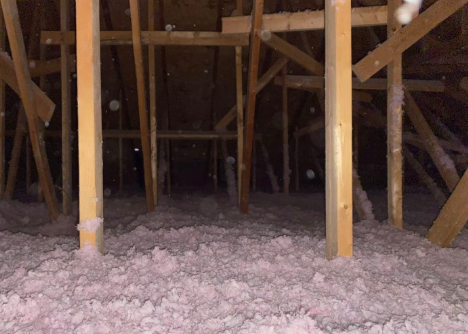
Attic mold is one of the most common and underestimated issues affecting homes in Toronto. It often goes unnoticed for months—or even years—until serious damage is done. From poor ventilation to hidden leaks, the causes of attic mold can be sneaky. But the good news is: with the right knowledge and preventive measures, you can protect your home and your health.
Whether you’re a homeowner, property manager, or real estate professional, knowing how to prevent attic mold can save you from expensive remediation and long-term structural problems. If you’re already facing this issue, reaching out to certified professionals like Kleen Condition. can make all the difference.
In this guide, we’ll walk you through the causes of attic mold, why it’s dangerous, how to spot early signs, and—most importantly—how to prevent it from ever taking hold.
Why Attic Mold Is a Big Problem in Toronto Homes
Toronto’s climate plays a significant role in attic mold growth. With hot, humid summers and cold winters, the contrast between indoor and outdoor temperatures often leads to condensation in attics. Add poor ventilation or insulation to the mix, and you have a perfect breeding ground for mold spores.
Mold in the attic can:
Damage roof structures, insulation, and drywall
Lead to costly repairs and lowered property value
Trigger health issues like respiratory problems, allergies, and headaches
Cause complications during home sales or renovations
Even new or recently renovated homes are not immune if preventive measures aren’t in place.
What Causes Mold in the Attic?
To effectively prevent attic mold, you need to understand what causes it. Here are the most common culprits:
1. Poor Ventilation
Attics must “breathe.” Without proper airflow, humidity levels rise and condensation builds up—creating the perfect environment for mold growth.
2. Roof Leaks
A small roof leak might go unnoticed, but over time, it can introduce moisture into your attic insulation and wood framing, feeding mold colonies.
3. Blocked or Missing Vents
Blocked soffit or ridge vents can trap moist air inside. Sometimes, vents are even painted over or covered during renovations without homeowners realizing it.
4. Inadequate Insulation
Improper insulation leads to heat escaping from your home into the attic. This warm air meets the cold roof, creating condensation and moisture buildup.
5. Improperly Installed Bathroom or Kitchen Vents
Exhaust fans that vent directly into the attic instead of outside the home pump hot, moist air into the attic space—accelerating mold growth.
Signs You May Already Have Attic Mold
Mold is often hidden, but there are warning signs. Keep an eye (and nose) out for:
Musty smells coming from the ceiling or upper floor
Dark or discolored spots on attic wood or insulation
Peeling paint or bubbling drywall on ceilings
High humidity or condensation on attic windows or rafters
If you notice any of these, you should immediately inspect your attic or call in a mold specialist.
How to Prevent Attic Mold Effectively
Prevention is far cheaper and safer than removal. Here are practical steps you can take to mold-proof your attic:
1. Inspect and Maintain Your Roof Regularly
Look for damaged or missing shingles, flashing, and signs of leaks
Clear gutters and downspouts to prevent water buildup
After heavy storms, check for signs of moisture or staining in the attic
2. Ensure Proper Ventilation
Install or unblock soffit and ridge vents
Consider adding gable vents or attic fans if airflow is limited
Avoid blocking vents with insulation or storage items
3. Upgrade Insulation
Use mold-resistant insulation materials
Ensure insulation is properly installed to avoid air gaps
Prevent warm interior air from rising into the attic
4. Seal Attic Air Leaks
Use caulking or foam sealant around light fixtures, plumbing, and chimneys
Weather-strip attic doors or hatches
Keep conditioned air inside the living space, not the attic
5. Properly Vent Bathrooms and Kitchens
Always vent exhaust fans outdoors—not into the attic
Check vents for proper function and clear obstructions
Clean fan filters regularly to reduce moisture and mold spores
6. Monitor Humidity Levels
Use a hygrometer to measure attic humidity (ideal range: 30–50%)
In high-humidity seasons, consider using a dehumidifier
Avoid drying clothes indoors or storing damp materials in the attic
Professional Help: When to Call the Experts
Sometimes, even your best prevention efforts may not be enough. If you suspect mold is already present, or if you’re unsure about your attic’s ventilation and insulation, a professional inspection is a smart move.
Certified remediation services like Attic mold removal Toronto provided by Kleen Condition offer:
Comprehensive mold assessments
Safe and certified mold removal
Preventive solutions including ventilation upgrades
Insurance support and documentation
Peace of mind knowing the job is done right
Hiring experts ensures that all mold is removed safely, following Canadian safety and health regulations.
What Happens If You Ignore Attic Mold?
Mold doesn’t just go away. Left untreated, it can:
Eat away at wood and structural materials
Spread to walls, ceilings, and HVAC systems
Worsen over time and become more expensive to remove
Lead to denied insurance claims
Impact the ability to sell or refinance your home
It’s always more cost-effective to catch and resolve mold issues early.
The Role of Homeowners and Realtors
For homeowners: Regular inspections and maintenance are your first line of defense. Learn how your attic works, and don’t ignore small leaks or ventilation problems.
For realtors and property managers: Mold can make or break a deal. Schedule pre-listing inspections to catch attic mold early and get it remediated professionally. It can protect your reputation and keep transactions smooth.
Conclusion: Prevention Is Cheaper Than Remediation
Attic mold may seem out of sight and out of mind—but it’s a silent threat that can grow fast, damage your home, and harm your health. With Toronto’s fluctuating climate, preventive steps are more important than ever.
Stay ahead by regularly inspecting your attic, maintaining roof health, and ensuring proper airflow. If you suspect mold or want peace of mind, reach out to trusted professionals like kleencondition.com. for certified attic mold removal in Toronto.